Container Loading Guide
What Steel Structure Container Loading Records Should Capture
Loading records connect the packing list to the physical shipment. They help the buyer identify what entered each container, how accessories were grouped, and what evidence is available when the shipment arrives.
Buyer Guidance
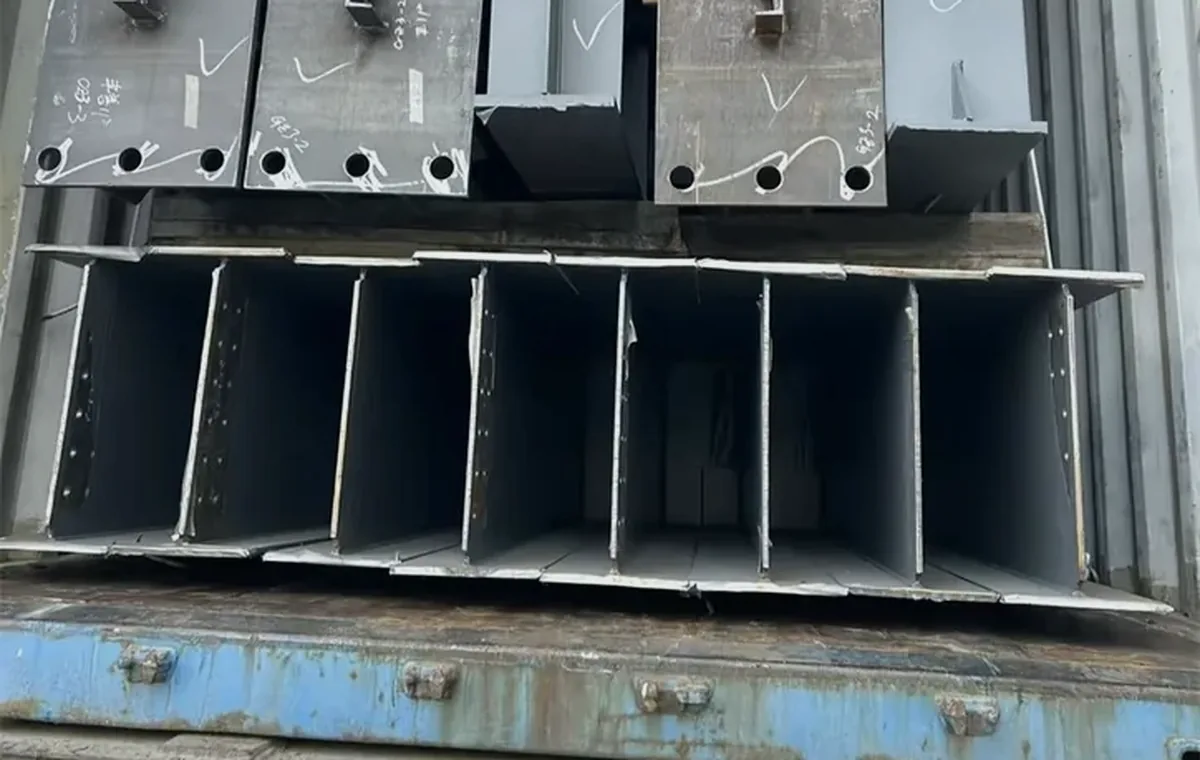
Prepare the record before the container arrives. Confirm package marks, member groups, accessory boxes, loading order, weight and size constraints, container number, seal, photos, packing-list reference, and the person responsible for final loading confirmation.
Decision Framework
Connect each physical load to the packing list.
| Control area | What to define |
|---|---|
| Before loading | Packing list, marks, accessory boxes, container plan, and sequence |
| During loading | Container number, package entry, protection, blocking, and progress photos |
| After loading | Final view, seal number, confirmed package list, and exceptions |
| Shipment handover | Booking or transport reference and document status |
| Arrival support | Container, package, mark, shortage, or damage reference |
Buyer Checklist
Define the loading record before the first package enters the container.
- Match package marks to the packing list.
- Record accessory-box count and location.
- Photograph the container number before loading.
- Record visible protection and loading sequence.
- Capture the final load view and seal.
- Keep exceptions in a written loading note.
Scope and Responsibilities
Separate loading evidence from carrier, customs, securing, and insurance responsibility.
Loading photos support shipment visibility. Carrier responsibility, certified weighing, cargo-securing engineering, customs inspection, and insurance follow the shipment contract and appointed providers.
Arrival Retrieval Chain
Design the loading record for the people who will open the container.
Connect each container number to a packing-list version, package marks, member groups, accessory boxes, and loading sequence. Photograph visible package identification before it is obscured, then capture representative loading stages, protection at contact points, the final load view, door condition, and seal number where these records are within the agreed scope. Record exceptions instead of leaving a mismatch to be discovered at destination.
The receiving team should be able to locate small parts, identify the first packages needed, and report a shortage or visible damage using the same container, package, and member references. Keep certified weight, carrier condition, customs inspection, and cargo-securing decisions with the responsible providers; ordinary coordination photos do not replace those formal records. A concise container index linked to the final packing list is more useful than an unstructured folder of images.
Buyer FAQ
Practical questions about this topic
Why record accessory-box location?
It helps the receiving team identify small parts and investigate a reported shortage.
Should every member be visible in loading photos?
The agreed loading record should combine package marks, packing list references, and practical loading photos.
Who confirms cargo securing?
The responsible loading, logistics, or appointed specialist role must be defined by the shipment arrangement.
Apply this guide to your project
Send the available documents and the decision you need to make next.
YYN will identify missing inputs, open assumptions, and the next sourcing or production-review step without replacing project engineering.